
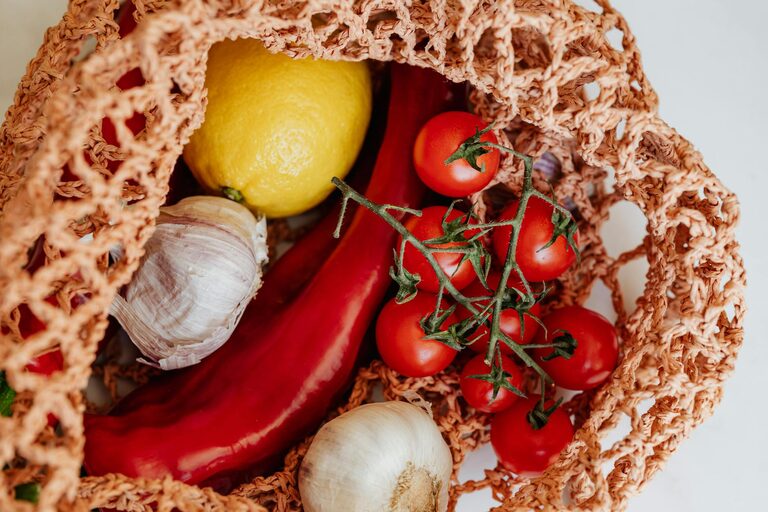
Reducing food waste at home is a practical step anyone can take to save money, conserve resources, and protect the environment. Every year, billions of pounds of food end up in landfills, contributing to greenhouse gas emissions and wasting the energy and water used in food production. By adopting a few mindful habits in your kitchen, you can significantly cut down on food waste while enjoying fresher meals and a cleaner pantry.
In this post, we’ll explore various ways to reduce food waste at home, from smarter shopping to creative cooking and proper storage.
Plan Ahead: Smart Shopping and Meal Prep
Make a Weekly Meal Plan
Before grocery shopping, take a few minutes to plan your meals for the week. Consider what you already have in your fridge and pantry to prevent buying duplicates. A clear meal plan helps you buy exactly what you need and avoid impulse purchases that go unused.
Create a Shopping List
Write down all ingredients you need based on your meal plan. Stick to the list while shopping to avoid unnecessary items. This simple step can significantly reduce impulse buying and food spoilage.
Shop with Portion Sizes in Mind
Buy quantities that match your household size and consumption. Larger packages may seem more economical but can lead to waste if the food isn’t consumed in time.
Store Food Properly to Extend Freshness
Understand Proper Storage Techniques
Different foods have unique storage needs. For example, potatoes and onions should stay in a cool, dry place, while berries are best kept in the fridge. Proper storage slows spoilage and maintains quality.
Use Clear Containers and Labels
Transfer leftovers or opened packages into clear containers. Label them with the date to track freshness and reduce the chance of forgotten food going bad.
Keep Your Fridge Organized
Arrange your refrigerator so that older items are at the front and newer items at the back. This encourages you to use older food first and helps prevent expiration surprises.
Get Creative with Leftovers and Ingredients
Repurpose Leftovers Into New Meals
Leftover vegetables can become soups or stir-fries, and stale bread can be turned into croutons or breadcrumbs. Creativity in the kitchen reduces waste and introduces variety into your meals.
Practice Batch Cooking
Prepare larger portions and freeze individual servings for later. This approach cuts down on meal prep time and reduces waste by using ingredients fully.
Use “Ugly” Produce
Don’t discard misshapen or blemished fruits and vegetables. They are safe and tasty, perfect for cooking, juicing, or smoothies.
Monitor and Manage Expiration Dates
Understand Date Labels
“Best before,” “use by,” and “sell by” dates differ in meaning. Many foods are safe to eat after the “best before” date but may lose quality. Learning these distinctions can help reduce premature disposal of still-edible food.
Rotate Stock Regularly
When you bring new food home, place older items in front to use them first. This simple “first in, first out” system minimizes spoilage.
Compost Food Scraps
Set Up a Kitchen Compost Bin
Collect peels, coffee grounds, eggshells, and other organic waste separately. Composting turns food scraps into valuable soil nutrients instead of sending them to landfill.
Use or Donate Excess Food
If you have extra edible food you won’t use, consider sharing with neighbors or donating to local food banks where possible.
Adopt Mindful Eating Habits
Serve Smaller Portions
Start with smaller servings and go back for more if still hungry. This reduces uneaten leftovers that might get discarded.
Educate Your Household
Teach family members about the impact of food waste and encourage responsible consumption habits.
Benefits Beyond the Kitchen
Reducing food waste is not only good for your budget but also for the planet. It lowers methane emissions from landfills and reduces the demand for agricultural resources like water and fertilizers. Small changes at home can collectively make a significant environmental impact.
—
By incorporating these strategies into your daily routine, you can minimize food waste, enjoy fresher meals, and contribute to a more sustainable world. Start with one or two tips, and build on your progress—every little effort counts.